Manual Processes
Paper forms, spreadsheets, emails, and repetitive manual tasks reduce efficiency and increase the likelihood of errors.
SingTone Technologies helps government organizations improve operational performance through business process analysis, workflow modernization, automation, digital transformation, process governance, performance measurement, and continuous improvement initiatives that increase efficiency while maintaining accountability and compliance.

Government Process Challenges
Government organizations often rely on manual processes, disconnected systems, paper-based workflows, and inconsistent procedures. Modernizing operations requires balancing automation, governance, security, transparency, and compliance while improving service delivery.
Paper forms, spreadsheets, emails, and repetitive manual tasks reduce efficiency and increase the likelihood of errors.
Departments often execute similar processes differently, making quality, reporting, and accountability difficult.
Approval delays, duplicate reviews, and inefficient handoffs slow program execution and citizen services.
Information frequently resides in multiple applications that do not efficiently exchange data.
Organizations often lack meaningful metrics for measuring process performance and identifying improvement opportunities.
The same information may be entered multiple times across different systems, increasing effort and errors.
Processes must evolve to support new policies, technologies, regulations, and mission priorities.
Organizations need governance and measurement to ensure improvements remain effective over time.
What We Deliver
SingTone combines business analysis, workflow engineering, automation, quality management, data analysis, application development, and organizational change support to improve government operations.
Analyze existing business processes to identify inefficiencies, risks, bottlenecks, redundancies, and modernization opportunities.
Document business processes using standardized workflows, swimlane diagrams, decision trees, and operational documentation.
Automate repetitive activities using digital workflows, approvals, notifications, routing, and system integrations.
Replace paper-based processes with secure electronic forms supporting validation, routing, approvals, and reporting.
Identify automation opportunities while evaluating technical feasibility, business value, governance, and long-term sustainability.
Develop standardized procedures, governance, documentation, quality controls, and operational consistency across departments.
Define metrics, dashboards, KPIs, and reporting to measure operational effectiveness and improvement initiatives.
Establish structured improvement initiatives that evaluate performance, prioritize enhancements, and sustain organizational progress.
Connect applications, databases, forms, reporting tools, and operational systems to reduce manual handoffs and improve data flow.
Automate data collection, validation, transformation, reporting, notifications, and recurring operational updates.
Embed quality checks, approval controls, audit evidence, and exception handling into improved and automated workflows.
Help stakeholders understand, adopt, and sustain redesigned processes, automation tools, roles, and responsibilities.
Prepare staff to operate, manage, troubleshoot, and improve new workflows and automated processes.
Our Approach
We use a structured, evidence-based approach to understand current operations, identify high-value opportunities, redesign workflows, implement automation, validate results, and establish governance for continuous improvement.
Engage stakeholders, review documentation, observe operations, gather data, and identify pain points, dependencies, controls, and business rules.
Document current-state workflows, roles, systems, handoffs, decisions, delays, duplicate activities, and information flows.
Evaluate process performance, root causes, risks, compliance requirements, automation feasibility, and potential mission value.
Develop future-state processes, standardized procedures, workflow requirements, automation logic, controls, metrics, and implementation plans.
Configure or develop digital forms, routing, approvals, notifications, integrations, reporting, task automation, and exception handling.
Perform functional testing, workflow testing, security reviews, accessibility checks, user acceptance testing, and performance validation.
Implement the improved process through controlled releases, training, communications, documentation, transition support, and operational handoff.
Monitor performance, evaluate feedback, analyze trends, correct deficiencies, prioritize enhancements, and sustain continuous improvement.
Why SingTone
SingTone combines business analysis, application development, data services, quality management, technical writing, program management, cybersecurity, and operational support to improve government workflows from end to end.
Streamlined routing, approvals, notifications, data exchange, and automated tasks reduce avoidable delays.
Defined roles, approval authorities, workflow status, audit trails, and exception handling improve ownership and transparency.
Standardized procedures, business rules, validation, and quality controls reduce variation across departments and users.
Automation decreases repetitive data entry, document handling, status checks, report preparation, and administrative tasks.
Data validation, controlled workflows, integration, and automated checks reduce incomplete submissions and transcription mistakes.
Operational metrics, dashboards, status reporting, and trend analysis help leadership understand process effectiveness.
Integration improves information exchange between applications, databases, forms, reporting tools, and operational platforms.
Documented requirements, security reviews, quality controls, approvals, and audit evidence support responsible automation.
Training, documentation, stakeholder participation, operational ownership, and feedback mechanisms help improvements endure.
Our certified quality management system supports documented processes, measurable objectives, corrective action, and continuous improvement.
Related Experience
Representative engagements demonstrating business analysis, workflow automation, application development, data integration, quality management, process documentation, reporting, and operational modernization.
SingTone designed and developed a custom WordPress website with an integrated membership registration and management system to support the River Ridge Band Association's fundraising, volunteer coordination, and community engagement efforts.

SingTone designed and developed a professional website for Wall 2 Wall Painting LLC and provided managed hosting and ongoing technical support to maintain a secure, reliable, and high-performing online presence.

SingTone provides managed website hosting, technical support, and ongoing maintenance services for Splash Time Water Sports & Tours, ensuring a secure, reliable, and high-performing online presence.
Related Insights
Explore insights related to workflow automation, business process modernization, digital forms, operational efficiency, data integration, performance measurement, and continuous improvement.

Digital transformation can improve SEO by creating faster websites, better user experiences, stronger content, connected data, and scalable systems that help organizations attract and convert more organic traffic.
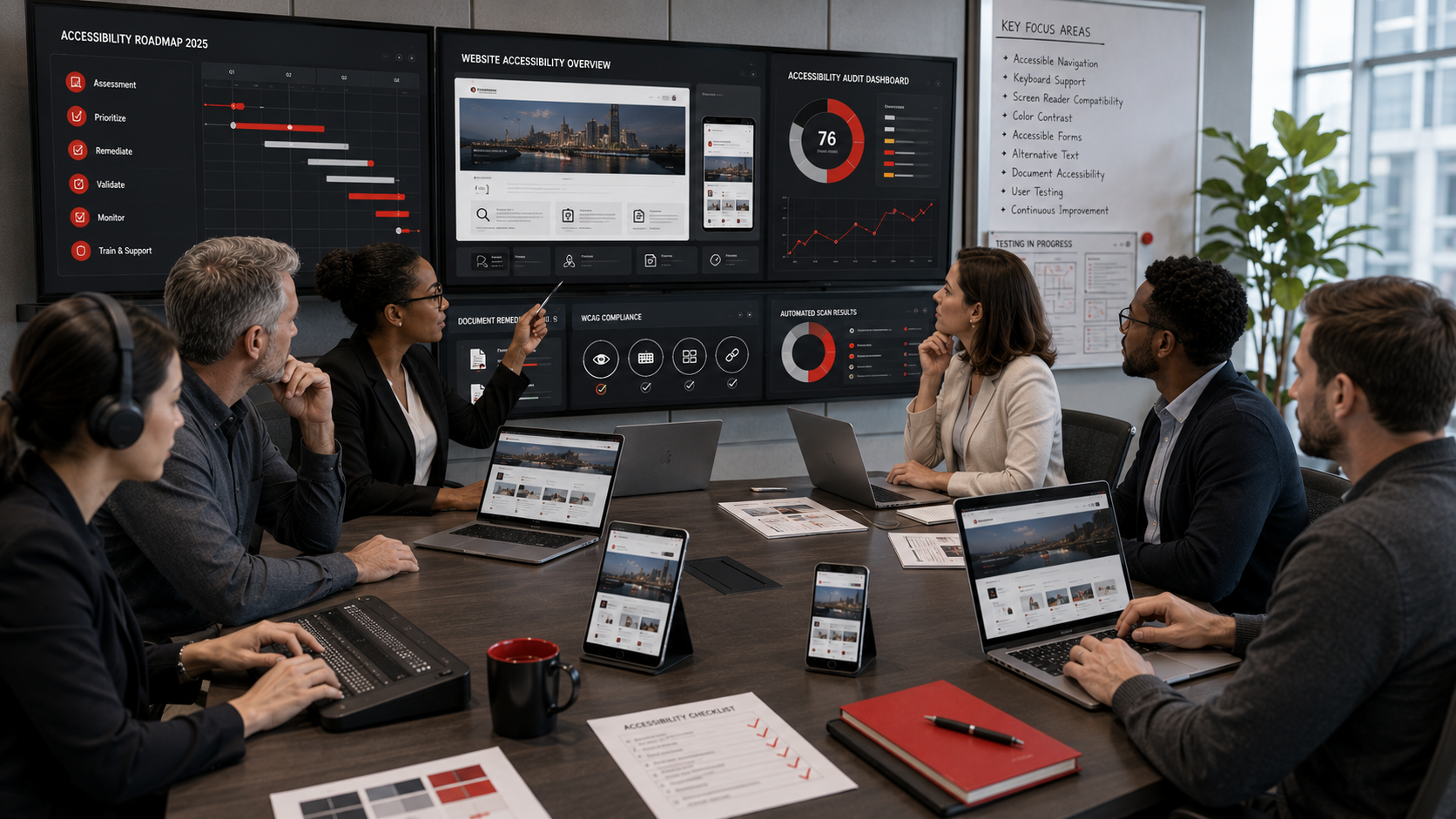
Public entities should use 2025 to assess websites, remediate accessibility barriers, train employees, review vendors, and prepare for upcoming ADA Title II compliance deadlines.

Success in today's digital economy requires more than a website. Learn how SingTone Technologies combines technology consulting, software development, digital marketing, and managed services to help organizations grow.
Frequently Asked Questions
Common questions regarding business process analysis, workflow automation, digital forms, integration, performance measurement, governance, implementation, and continuous improvement.
Connect with SingTone regarding business process analysis, workflow automation, digital forms, system integration, performance measurement, process documentation, training, or continuous improvement.