Workforce Turnover
Retirements, reassignments, contractor transitions, and staffing changes can result in the loss of critical technical and operational knowledge.
SingTone Technologies helps government organizations strengthen workforce capability, preserve institutional knowledge, support technology adoption, and improve operational continuity through role-based training, technical instruction, process education, documentation, mentoring, train-the-trainer programs, and structured knowledge transfer.
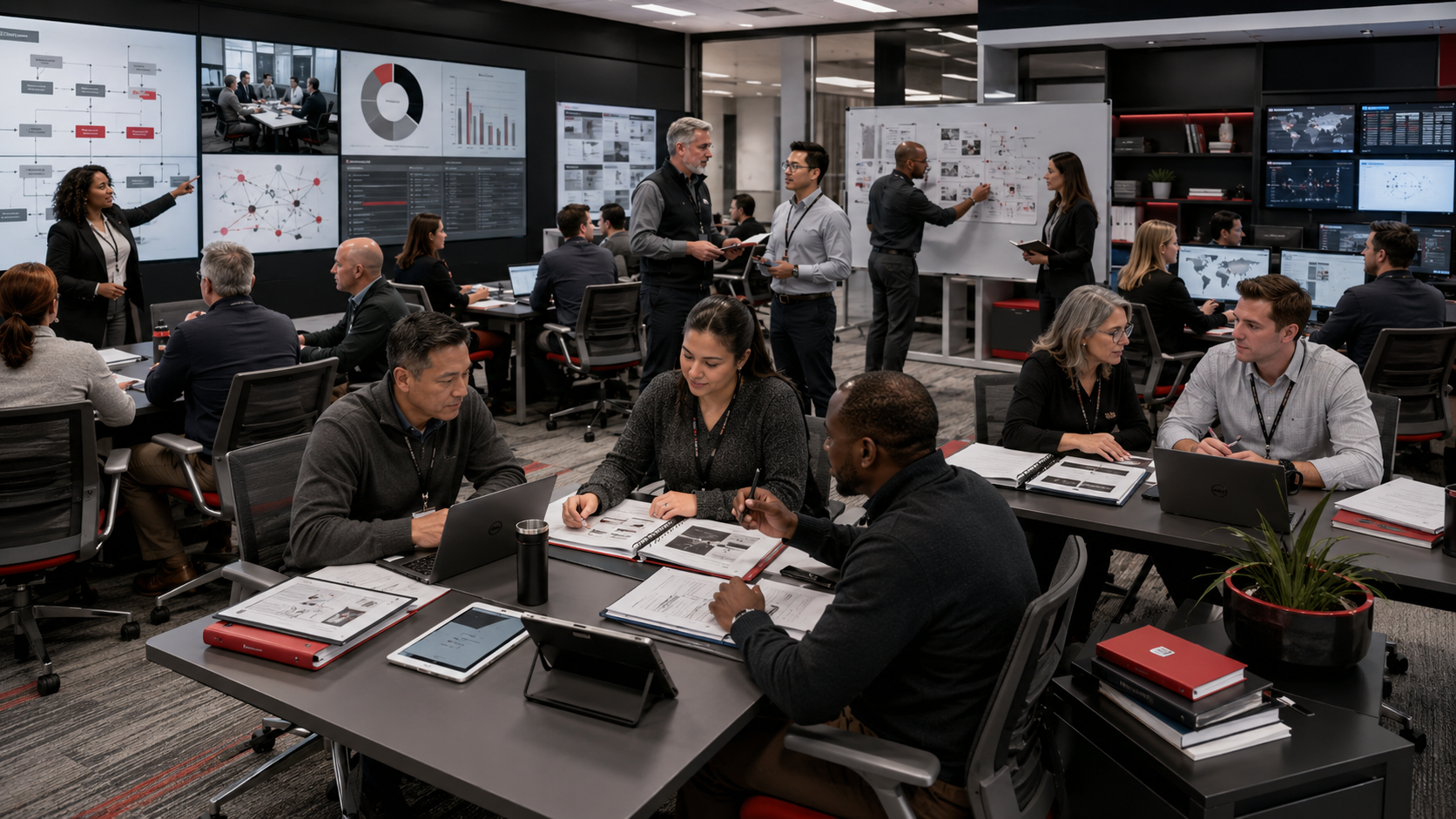
Government Workforce Challenges
Government organizations must prepare personnel to operate evolving technologies, follow controlled processes, meet compliance requirements, and sustain mission operations. Training and knowledge transfer are especially critical during modernization, system implementation, contractor transition, workforce turnover, and organizational change.
Retirements, reassignments, contractor transitions, and staffing changes can result in the loss of critical technical and operational knowledge.
Personnel may struggle to use new systems, applications, workflows, security controls, and digital tools without structured instruction.
Different instructors, departments, and contractors may deliver incomplete or inconsistent information without standardized materials.
Critical procedures and system knowledge may reside with individuals rather than in maintained documentation and repositories.
Programs may experience operational disruption when responsibilities transfer without planned handoff, mentoring, and knowledge validation.
Executives, administrators, technical personnel, content managers, and end users require different learning objectives and delivery methods.
Personnel need recurring education on cybersecurity, accessibility, quality, records, privacy, governance, and operational requirements.
Organizations may lack clear methods for measuring participation, knowledge retention, competency, adoption, and operational readiness.
What We Deliver
SingTone develops practical learning programs that align instructional content, technical documentation, delivery methods, competency objectives, and operational responsibilities with government mission needs.
Evaluate workforce roles, knowledge gaps, technology changes, performance needs, compliance requirements, and organizational priorities.
Develop structured training plans, curricula, schedules, delivery models, responsibilities, resources, and performance measures.
Deliver live classroom, virtual, hybrid, workshop, and small-group instruction tailored to participant roles and responsibilities.
Develop structured digital learning resources that allow personnel to review content according to operational schedules.
Provide guided exercises and practical instruction for systems, applications, databases, websites, cloud environments, security tools, and operational workflows.
Tailor training content, scenarios, exercises, and documentation to the responsibilities of each audience.
Prepare designated government personnel to independently deliver consistent training and sustain workforce education.
Provide focused guidance that helps personnel apply new knowledge, strengthen technical skills, and assume operational responsibility.
Create clear, maintainable, audience-appropriate instructional materials that support consistent delivery and future reuse.
Develop the procedures, manuals, guides, playbooks, and reference materials needed to reinforce training and support operations.
Plan and execute structured handoff between contractors, government personnel, technical teams, administrators, and operational owners.
Organize training materials, procedures, recordings, technical references, lessons learned, and operational knowledge for long-term access.
Develop training materials and learning experiences that support accessibility and inclusive participation.
Measure participation, learning, competency, adoption, satisfaction, operational readiness, and opportunities for improvement.
Maintain workforce readiness through scheduled updates, refresher instruction, policy changes, system updates, and lessons learned.
Our Approach
We align learning objectives, delivery methods, documentation, exercises, evaluation, and knowledge transfer with participant roles, operational responsibilities, technology changes, and mission requirements.
Evaluate participant roles, current skills, operational responsibilities, technology changes, compliance requirements, and performance gaps.
Establish learning objectives, competencies, audience groups, delivery methods, evaluation criteria, and readiness expectations.
Create curricula, lesson plans, instructor guides, participant materials, exercises, job aids, assessments, and technical documentation.
Provide classroom, virtual, hybrid, self-paced, hands-on, mentoring, and train-the-trainer learning experiences.
Use demonstrations, guided exercises, realistic scenarios, simulations, and operational tasks to reinforce practical application.
Measure participation, knowledge, competency, confidence, adoption, satisfaction, and readiness using defined evaluation methods.
Conduct structured handoff, mentoring, documentation review, responsibility mapping, and readiness validation with operational owners.
Maintain capability through repositories, refresher training, updated materials, new-hire instruction, lessons learned, and recurring reviews.
Why SingTone
SingTone combines technical expertise, instructional development, technical writing, program management, quality management, cybersecurity, accessibility, and operational support to deliver training that personnel can apply.
Role-based instruction and practical exercises prepare personnel to perform assigned responsibilities with greater confidence.
Structured training helps users, administrators, managers, and technical teams adopt new systems, tools, and workflows.
Standardized curricula, documentation, exercises, and delivery guidance reduce inconsistent or incomplete instruction.
Planned handoff, mentoring, documentation, and readiness reviews help preserve continuity during staffing and contractor transitions.
Maintained repositories, procedures, recordings, references, and lessons learned protect critical organizational knowledge.
Executives, managers, administrators, technical staff, content owners, and end users receive instruction tailored to their responsibilities.
Accessible documents, presentations, media, digital materials, and learning environments support broader participation.
Assessments, practical evaluations, completion records, feedback, and competency measures provide evidence of training effectiveness.
Train-the-trainer programs, reusable materials, recurring instruction, and repository maintenance support long-term capability.
Our certified quality management system supports controlled materials, documented delivery, evaluation, corrective action, and continuous improvement.
Related Experience
Representative engagements demonstrating technical training, user enablement, administrator instruction, process education, documentation, transition support, mentoring, and operational knowledge transfer.
SingTone serves as the prime contractor supporting the U.S. Census Bureau by acquiring, validating, standardizing, and delivering quarterly Operating Company Number (OCN) telecommunications datasets that support nationwide survey operations, statistical modeling, and telephone number classification.
SingTone served as a subcontractor to JYG Innovations supporting the Air Force Life Cycle Management Center (AFLCMC) by providing software sustainment, application development, systems integration, testing, configuration management, technical documentation, and secure data exchange services for the Contractor Supported Weapon Systems Data Exchange (CSWS DE) system.
SingTone provides managed website hosting, ongoing technical support, and business process improvement services for The Royal Stretch, helping streamline operations while maintaining a secure, reliable online presence.
Related Insights
Explore insights related to workforce readiness, technology adoption, instructional design, technical training, knowledge management, transition planning, accessibility, and operational continuity.
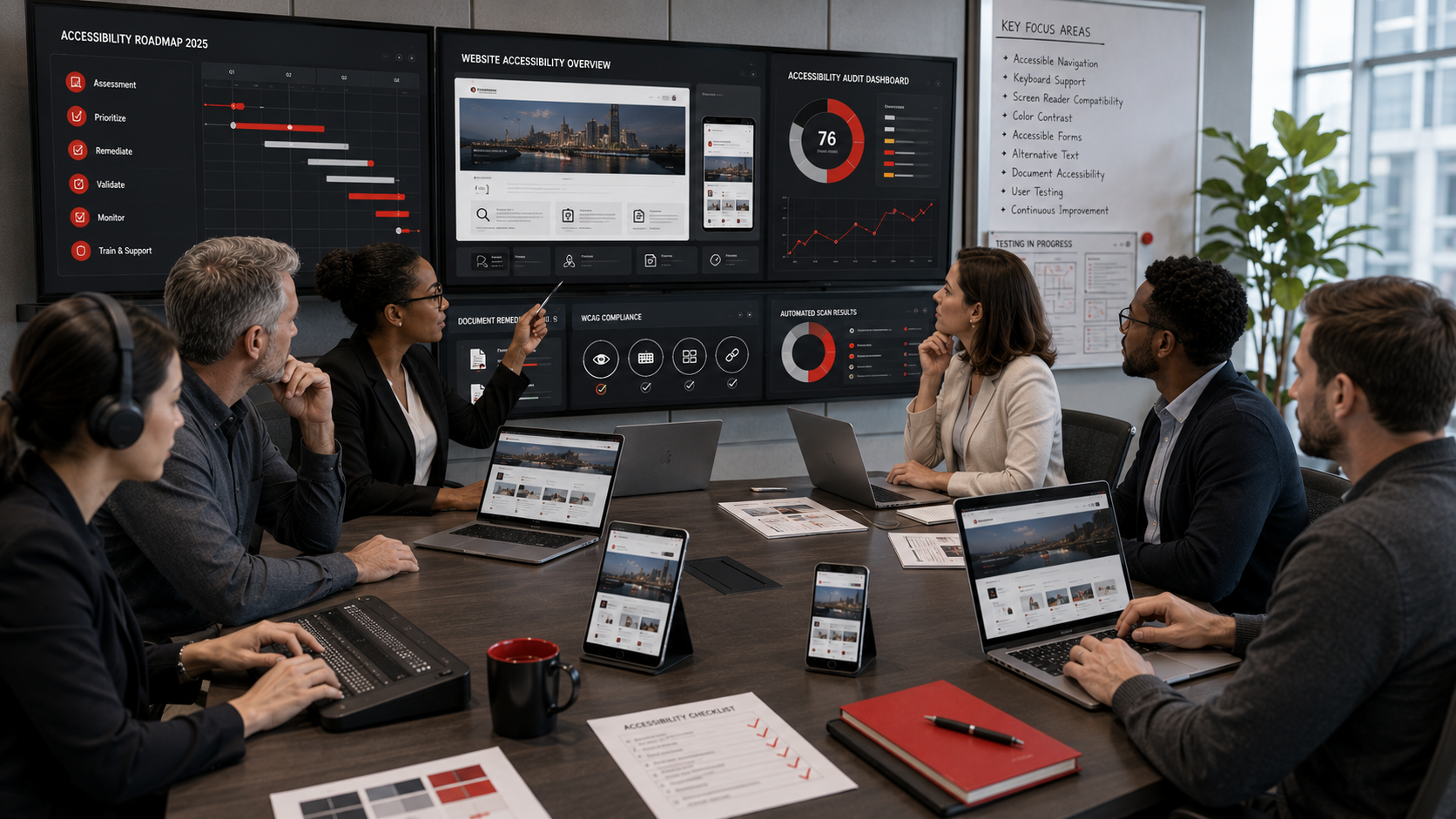
Public entities should use 2025 to assess websites, remediate accessibility barriers, train employees, review vendors, and prepare for upcoming ADA Title II compliance deadlines.
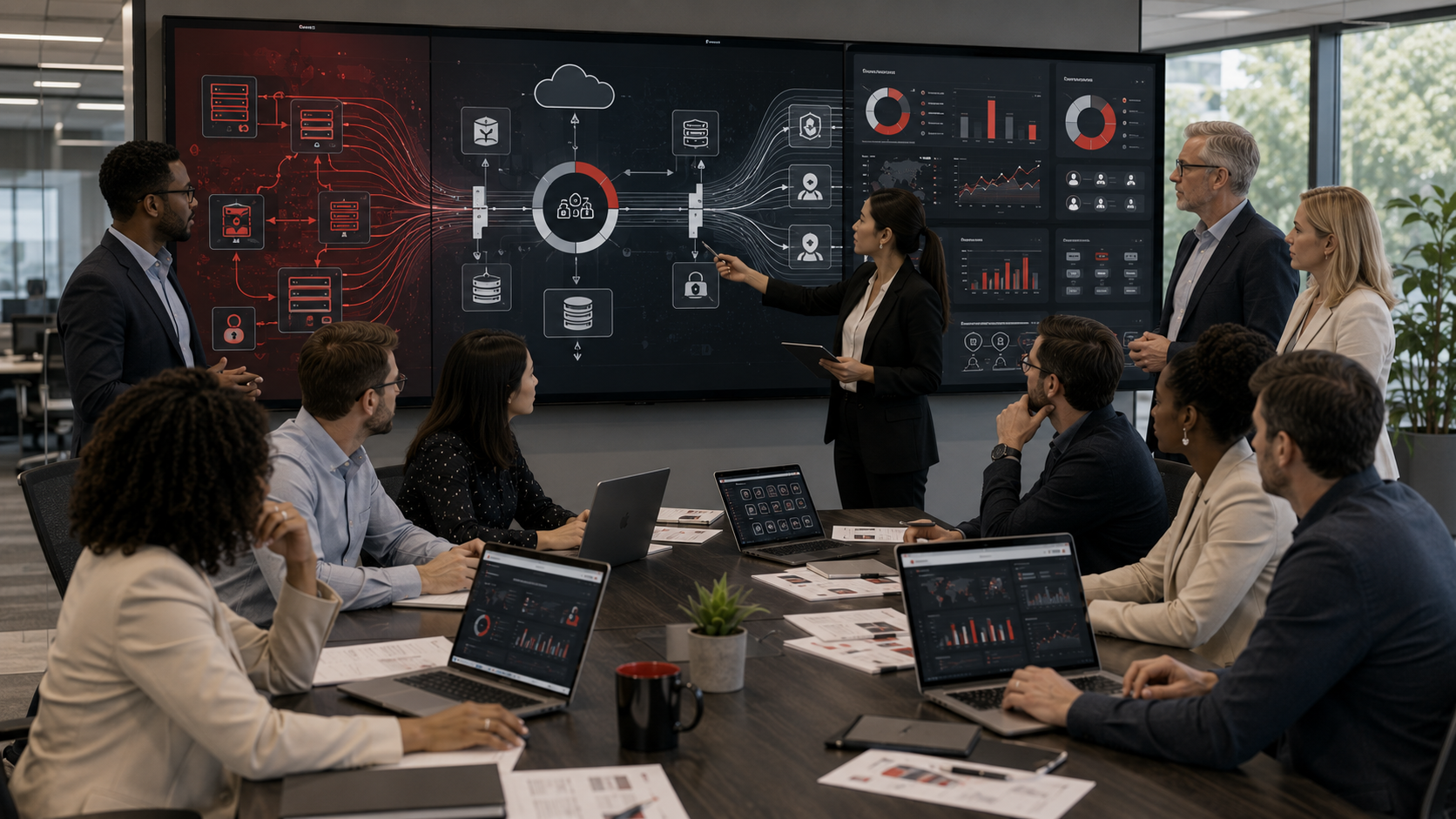
IT modernization is not simply replacing old systems. It aligns technology, people, processes, security, data, and governance to improve efficiency, reduce risk, and strengthen long-term performance.
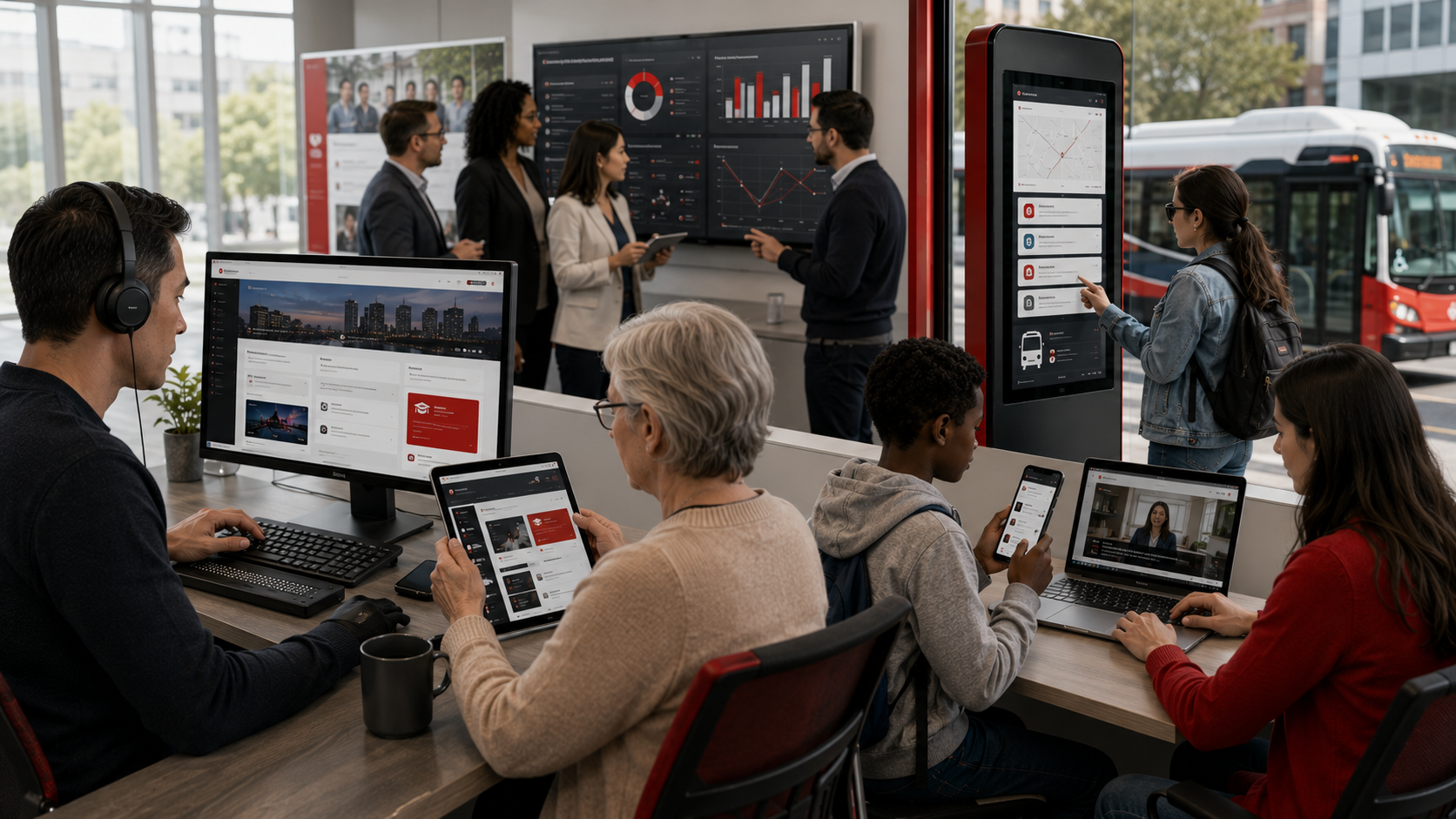
Accessible public-sector websites help people obtain essential services, support equal participation, reduce legal risk, improve usability, and prepare agencies for upcoming ADA Title II deadlines.
Frequently Asked Questions
Common questions regarding training needs assessments, curriculum development, technical instruction, train-the-trainer programs, knowledge transfer, documentation, accessibility, evaluation, and ongoing workforce support.
Connect with SingTone regarding workforce training, technical instruction, train-the-trainer programs, operational documentation, mentoring, contractor transition, knowledge repositories, or ongoing learning support.